
new

Get trending papers in your email inbox!

Subscribe

Daily Papers

byAK and the research community

Dec 12

TimesNet: Temporal 2D-Variation Modeling for General Time Series Analysis

Time series analysis is of immense importance in extensive applications, such as weather forecasting, anomaly detection, and action recognition. This paper focuses on temporal variation modeling, which is the common key problem of extensive analysis tasks. Previous methods attempt to accomplish this directly from the 1D time series, which is extremely challenging due to the intricate temporal patterns. Based on the observation of multi-periodicity in time series, we ravel out the complex temporal variations into the multiple intraperiod- and interperiod-variations. To tackle the limitations of 1D time series in representation capability, we extend the analysis of temporal variations into the 2D space by transforming the 1D time series into a set of 2D tensors based on multiple periods. This transformation can embed the intraperiod- and interperiod-variations into the columns and rows of the 2D tensors respectively, making the 2D-variations to be easily modeled by 2D kernels. Technically, we propose the TimesNet with TimesBlock as a task-general backbone for time series analysis. TimesBlock can discover the multi-periodicity adaptively and extract the complex temporal variations from transformed 2D tensors by a parameter-efficient inception block. Our proposed TimesNet achieves consistent state-of-the-art in five mainstream time series analysis tasks, including short- and long-term forecasting, imputation, classification, and anomaly detection. Code is available at this repository: https://github.com/thuml/TimesNet.

  • 6 authors
·
Oct 5, 2022

Maestro: Uncovering Low-Rank Structures via Trainable Decomposition

Deep Neural Networks (DNNs) have been a large driver and enabler for AI breakthroughs in recent years. These models have been getting larger in their attempt to become more accurate and tackle new upcoming use-cases, including AR/VR and intelligent assistants. However, the training process of such large models is a costly and time-consuming process, which typically yields a single model to fit all targets. To mitigate this, various techniques have been proposed in the literature, including pruning, sparsification or quantization of the model weights and updates. While able to achieve high compression rates, they often incur computational overheads or accuracy penalties. Alternatively, factorization methods have been leveraged to incorporate low-rank compression in the training process. Similarly, such techniques (e.g.,~SVD) frequently rely on the computationally expensive decomposition of layers and are potentially sub-optimal for non-linear models, such as DNNs. In this work, we take a further step in designing efficient low-rank models and propose Maestro, a framework for trainable low-rank layers. Instead of regularly applying a priori decompositions such as SVD, the low-rank structure is built into the training process through a generalized variant of Ordered Dropout. This method imposes an importance ordering via sampling on the decomposed DNN structure. Our theoretical analysis demonstrates that our method recovers the SVD decomposition of linear mapping on uniformly distributed data and PCA for linear autoencoders. We further apply our technique on DNNs and empirically illustrate that Maestro enables the extraction of lower footprint models that preserve model performance while allowing for graceful accuracy-latency tradeoff for the deployment to devices of different capabilities.

  • 4 authors
·
Aug 28, 2023

TimeDRL: Disentangled Representation Learning for Multivariate Time-Series

Multivariate time-series data in numerous real-world applications (e.g., healthcare and industry) are informative but challenging due to the lack of labels and high dimensionality. Recent studies in self-supervised learning have shown their potential in learning rich representations without relying on labels, yet they fall short in learning disentangled embeddings and addressing issues of inductive bias (e.g., transformation-invariance). To tackle these challenges, we propose TimeDRL, a generic multivariate time-series representation learning framework with disentangled dual-level embeddings. TimeDRL is characterized by three novel features: (i) disentangled derivation of timestamp-level and instance-level embeddings from patched time-series data using a [CLS] token strategy; (ii) utilization of timestamp-predictive and instance-contrastive tasks for disentangled representation learning, with the former optimizing timestamp-level embeddings with predictive loss, and the latter optimizing instance-level embeddings with contrastive loss; and (iii) avoidance of augmentation methods to eliminate inductive biases, such as transformation-invariance from cropping and masking. Comprehensive experiments on 6 time-series forecasting datasets and 5 time-series classification datasets have shown that TimeDRL consistently surpasses existing representation learning approaches, achieving an average improvement of forecasting by 58.02% in MSE and classification by 1.48% in accuracy. Furthermore, extensive ablation studies confirmed the relative contribution of each component in TimeDRL's architecture, and semi-supervised learning evaluations demonstrated its effectiveness in real-world scenarios, even with limited labeled data. The code is available at https://github.com/blacksnail789521/TimeDRL.

  • 5 authors
·
Dec 7, 2023

Learning Disentangled Representations for Time Series

Time-series representation learning is a fundamental task for time-series analysis. While significant progress has been made to achieve accurate representations for downstream applications, the learned representations often lack interpretability and do not expose semantic meanings. Different from previous efforts on the entangled feature space, we aim to extract the semantic-rich temporal correlations in the latent interpretable factorized representation of the data. Motivated by the success of disentangled representation learning in computer vision, we study the possibility of learning semantic-rich time-series representations, which remains unexplored due to three main challenges: 1) sequential data structure introduces complex temporal correlations and makes the latent representations hard to interpret, 2) sequential models suffer from KL vanishing problem, and 3) interpretable semantic concepts for time-series often rely on multiple factors instead of individuals. To bridge the gap, we propose Disentangle Time Series (DTS), a novel disentanglement enhancement framework for sequential data. Specifically, to generate hierarchical semantic concepts as the interpretable and disentangled representation of time-series, DTS introduces multi-level disentanglement strategies by covering both individual latent factors and group semantic segments. We further theoretically show how to alleviate the KL vanishing problem: DTS introduces a mutual information maximization term, while preserving a heavier penalty on the total correlation and the dimension-wise KL to keep the disentanglement property. Experimental results on various real-world benchmark datasets demonstrate that the representations learned by DTS achieve superior performance in downstream applications, with high interpretability of semantic concepts.

  • 7 authors
·
May 17, 2021

Functional Bayesian Tucker Decomposition for Continuous-indexed Tensor Data

Tucker decomposition is a powerful tensor model to handle multi-aspect data. It demonstrates the low-rank property by decomposing the grid-structured data as interactions between a core tensor and a set of object representations (factors). A fundamental assumption of such decomposition is that there are finite objects in each aspect or mode, corresponding to discrete indexes of data entries. However, real-world data is often not naturally posed in this setting. For example, geographic data is represented as continuous indexes of latitude and longitude coordinates, and cannot fit tensor models directly. To generalize Tucker decomposition to such scenarios, we propose Functional Bayesian Tucker Decomposition (FunBaT). We treat the continuous-indexed data as the interaction between the Tucker core and a group of latent functions. We use Gaussian processes (GP) as functional priors to model the latent functions. Then, we convert each GP into a state-space prior by constructing an equivalent stochastic differential equation (SDE) to reduce computational cost. An efficient inference algorithm is developed for scalable posterior approximation based on advanced message-passing techniques. The advantage of our method is shown in both synthetic data and several real-world applications. We release the code of FunBaT at https://github.com/xuangu-fang/Functional-Bayesian-Tucker-Decomposition.

  • 6 authors
·
Nov 8, 2023

KARMA: A Multilevel Decomposition Hybrid Mamba Framework for Multivariate Long-Term Time Series Forecasting

Multivariate long-term and efficient time series forecasting is a key requirement for a variety of practical applications, and there are complex interleaving time dynamics in time series data that require decomposition modeling. Traditional time series decomposition methods are single and rely on fixed rules, which are insufficient for mining the potential information of the series and adapting to the dynamic characteristics of complex series. On the other hand, the Transformer-based models for time series forecasting struggle to effectively model long sequences and intricate dynamic relationships due to their high computational complexity. To overcome these limitations, we introduce KARMA, with an Adaptive Time Channel Decomposition module (ATCD) to dynamically extract trend and seasonal components. It further integrates a Hybrid Frequency-Time Decomposition module (HFTD) to further decompose Series into frequency-domain and time-domain. These components are coupled with multi-scale Mamba-based KarmaBlock to efficiently process global and local information in a coordinated manner. Experiments on eight real-world datasets from diverse domains well demonstrated that KARMA significantly outperforms mainstream baseline methods in both predictive accuracy and computational efficiency. Code and full results are available at this repository: https://github.com/yedadasd/KARMA

  • 7 authors
·
Jun 10

Neighborhood-aware Scalable Temporal Network Representation Learning

Temporal networks have been widely used to model real-world complex systems such as financial systems and e-commerce systems. In a temporal network, the joint neighborhood of a set of nodes often provides crucial structural information useful for predicting whether they may interact at a certain time. However, recent representation learning methods for temporal networks often fail to extract such information or depend on online construction of structural features, which is time-consuming. To address the issue, this work proposes Neighborhood-Aware Temporal network model (NAT). For each node in the network, NAT abandons the commonly-used one-single-vector-based representation while adopting a novel dictionary-type neighborhood representation. Such a dictionary representation records a downsampled set of the neighboring nodes as keys, and allows fast construction of structural features for a joint neighborhood of multiple nodes. We also design a dedicated data structure termed N-cache to support parallel access and update of those dictionary representations on GPUs. NAT gets evaluated over seven real-world large-scale temporal networks. NAT not only outperforms all cutting-edge baselines by averaged 1.2% and 4.2% in transductive and inductive link prediction accuracy, respectively, but also keeps scalable by achieving a speed-up of 4.1-76.7x against the baselines that adopt joint structural features and achieves a speed-up of 1.6-4.0x against the baselines that cannot adopt those features. The link to the code: https: //github.com/Graph-COM/Neighborhood-Aware-Temporal-Network.

  • 2 authors
·
Sep 2, 2022

OLinear: A Linear Model for Time Series Forecasting in Orthogonally Transformed Domain

This paper presents OLinear, a linear-based multivariate time series forecasting model that operates in an orthogonally transformed domain. Recent forecasting models typically adopt the temporal forecast (TF) paradigm, which directly encode and decode time series in the time domain. However, the entangled step-wise dependencies in series data can hinder the performance of TF. To address this, some forecasters conduct encoding and decoding in the transformed domain using fixed, dataset-independent bases (e.g., sine and cosine signals in the Fourier transform). In contrast, we utilize OrthoTrans, a data-adaptive transformation based on an orthogonal matrix that diagonalizes the series' temporal Pearson correlation matrix. This approach enables more effective encoding and decoding in the decorrelated feature domain and can serve as a plug-in module to enhance existing forecasters. To enhance the representation learning for multivariate time series, we introduce a customized linear layer, NormLin, which employs a normalized weight matrix to capture multivariate dependencies. Empirically, the NormLin module shows a surprising performance advantage over multi-head self-attention, while requiring nearly half the FLOPs. Extensive experiments on 24 benchmarks and 140 forecasting tasks demonstrate that OLinear consistently achieves state-of-the-art performance with high efficiency. Notably, as a plug-in replacement for self-attention, the NormLin module consistently enhances Transformer-based forecasters. The code and datasets are available at https://anonymous.4open.science/r/OLinear

  • 8 authors
·
May 12

Modeling Inter-Dependence Between Time and Mark in Multivariate Temporal Point Processes

Temporal Point Processes (TPP) are probabilistic generative frameworks. They model discrete event sequences localized in continuous time. Generally, real-life events reveal descriptive information, known as marks. Marked TPPs model time and marks of the event together for practical relevance. Conditioned on past events, marked TPPs aim to learn the joint distribution of the time and the mark of the next event. For simplicity, conditionally independent TPP models assume time and marks are independent given event history. They factorize the conditional joint distribution of time and mark into the product of individual conditional distributions. This structural limitation in the design of TPP models hurt the predictive performance on entangled time and mark interactions. In this work, we model the conditional inter-dependence of time and mark to overcome the limitations of conditionally independent models. We construct a multivariate TPP conditioning the time distribution on the current event mark in addition to past events. Besides the conventional intensity-based models for conditional joint distribution, we also draw on flexible intensity-free TPP models from the literature. The proposed TPP models outperform conditionally independent and dependent models in standard prediction tasks. Our experimentation on various datasets with multiple evaluation metrics highlights the merit of the proposed approach.

  • 4 authors
·
Oct 27, 2022

TFMQ-DM: Temporal Feature Maintenance Quantization for Diffusion Models

The Diffusion model, a prevalent framework for image generation, encounters significant challenges in terms of broad applicability due to its extended inference times and substantial memory requirements. Efficient Post-training Quantization (PTQ) is pivotal for addressing these issues in traditional models. Different from traditional models, diffusion models heavily depend on the time-step t to achieve satisfactory multi-round denoising. Usually, t from the finite set {1, ldots, T} is encoded to a temporal feature by a few modules totally irrespective of the sampling data. However, existing PTQ methods do not optimize these modules separately. They adopt inappropriate reconstruction targets and complex calibration methods, resulting in a severe disturbance of the temporal feature and denoising trajectory, as well as a low compression efficiency. To solve these, we propose a Temporal Feature Maintenance Quantization (TFMQ) framework building upon a Temporal Information Block which is just related to the time-step t and unrelated to the sampling data. Powered by the pioneering block design, we devise temporal information aware reconstruction (TIAR) and finite set calibration (FSC) to align the full-precision temporal features in a limited time. Equipped with the framework, we can maintain the most temporal information and ensure the end-to-end generation quality. Extensive experiments on various datasets and diffusion models prove our state-of-the-art results. Remarkably, our quantization approach, for the first time, achieves model performance nearly on par with the full-precision model under 4-bit weight quantization. Additionally, our method incurs almost no extra computational cost and accelerates quantization time by 2.0 times on LSUN-Bedrooms 256 times 256 compared to previous works.

  • 5 authors
·
Nov 27, 2023

TiM4Rec: An Efficient Sequential Recommendation Model Based on Time-Aware Structured State Space Duality Model

The Sequential Recommendation modeling paradigm is shifting from Transformer to Mamba architecture, which comprises two generations: Mamba1, based on the State Space Model (SSM), and Mamba2, based on State Space Duality (SSD). Although SSD offers superior computational efficiency compared to SSM, it suffers performance degradation in sequential recommendation tasks, especially in low-dimensional scenarios that are critical for these tasks. Considering that time-aware enhancement methods are commonly employed to mitigate performance loss, our analysis reveals that the performance decline of SSD can similarly be fundamentally compensated by leveraging mechanisms in time-aware methods. Thus, we propose integrating time-awareness into the SSD framework to address these performance issues. However, integrating current time-aware methods, modeled after TiSASRec, into SSD faces the following challenges: 1) the complexity of integrating these transformer-based mechanisms with the SSD architecture, and 2) the computational inefficiency caused by the need for dimensionality expansion of time-difference modeling. To overcome these challenges, we introduce a novel Time-aware Structured Masked Matrix that efficiently incorporates time-aware capabilities into SSD. Building on this, we propose Time-Aware Mamba for Recommendation (TiM4Rec), which mitigates performance degradation in low-dimensional SSD contexts while preserving computational efficiency. This marks the inaugural application of a time-aware enhancement method specifically tailored for the Mamba architecture within the domain of sequential recommendation. Extensive experiments conducted on three real-world datasets demonstrate the superiority of our approach. The code for our model is accessible at https://github.com/AlwaysFHao/TiM4Rec.

  • 7 authors
·
Sep 24, 2024

Language model compression with weighted low-rank factorization

Factorizing a large matrix into small matrices is a popular strategy for model compression. Singular value decomposition (SVD) plays a vital role in this compression strategy, approximating a learned matrix with fewer parameters. However, SVD minimizes the squared error toward reconstructing the original matrix without gauging the importance of the parameters, potentially giving a larger reconstruction error for those who affect the task accuracy more. In other words, the optimization objective of SVD is not aligned with the trained model's task accuracy. We analyze this previously unexplored problem, make observations, and address it by introducing Fisher information to weigh the importance of parameters affecting the model prediction. This idea leads to our method: Fisher-Weighted SVD (FWSVD). Although the factorized matrices from our approach do not result in smaller reconstruction errors, we find that our resulting task accuracy is much closer to the original model's performance. We perform analysis with the transformer-based language models, showing our weighted SVD largely alleviates the mismatched optimization objectives and can maintain model performance with a higher compression rate. Our method can directly compress a task-specific model while achieving better performance than other compact model strategies requiring expensive model pre-training. Moreover, the evaluation of compressing an already compact model shows our method can further reduce 9% to 30% parameters with an insignificant impact on task accuracy.

  • 6 authors
·
Jun 30, 2022

MoDeGPT: Modular Decomposition for Large Language Model Compression

Large Language Models (LLMs) have reshaped the landscape of artificial intelligence by demonstrating exceptional performance across various tasks. However, substantial computational requirements make their deployment challenging on devices with limited resources. Recently, compression methods using low-rank matrix techniques have shown promise, yet these often lead to degraded accuracy or introduce significant overhead in parameters and inference latency. This paper introduces Modular Decomposition (MoDeGPT), a novel structured compression framework that does not need recovery fine-tuning while resolving the above drawbacks. MoDeGPT partitions the Transformer block into modules comprised of matrix pairs and reduces the hidden dimensions via reconstructing the module-level outputs. MoDeGPT is developed based on a theoretical framework that utilizes three well-established matrix decomposition algorithms -- Nystr\"om approximation, CR decomposition, and SVD -- and applies them to our redefined transformer modules. Our comprehensive experiments show MoDeGPT, without backward propagation, matches or surpasses previous structured compression methods that rely on gradient information, and saves 98% of compute costs on compressing a 13B model. On Llama-2/3 and OPT models, MoDeGPT maintains 90-95% zero-shot performance with 25-30% compression rates. Moreover, the compression can be done on a single GPU within a few hours and increases the inference throughput by up to 46%.

  • 8 authors
·
Aug 18, 2024 2

PUSA V1.0: Surpassing Wan-I2V with $500 Training Cost by Vectorized Timestep Adaptation

The rapid advancement of video diffusion models has been hindered by fundamental limitations in temporal modeling, particularly the rigid synchronization of frame evolution imposed by conventional scalar timestep variables. While task-specific adaptations and autoregressive models have sought to address these challenges, they remain constrained by computational inefficiency, catastrophic forgetting, or narrow applicability. In this work, we present Pusa, a groundbreaking paradigm that leverages vectorized timestep adaptation (VTA) to enable fine-grained temporal control within a unified video diffusion framework. Besides, VTA is a non-destructive adaptation, which means it fully preserves the capabilities of the base model. By finetuning the SOTA Wan2.1-T2V-14B model with VTA, we achieve unprecedented efficiency -- surpassing the performance of Wan-I2V-14B with leq 1/200 of the training cost (\500 vs. \geq 100,000) and leq 1/2500 of the dataset size (4K vs. geq 10M samples). Pusa not only sets a new standard for image-to-video (I2V) generation, achieving a VBench-I2V total score of 87.32\% (vs. 86.86\% of Wan-I2V-14B), but also unlocks many zero-shot multi-task capabilities such as start-end frames and video extension -- all without task-specific training. Meanwhile, Pusa can still perform text-to-video generation. Mechanistic analyses reveal that our approach preserves the foundation model's generative priors while surgically injecting temporal dynamics, avoiding the combinatorial explosion inherent to vectorized timesteps. This work establishes a scalable, efficient, and versatile paradigm for next-generation video synthesis, democratizing high-fidelity video generation for research and industry alike. Code is open-sourced at https://github.com/Yaofang-Liu/Pusa-VidGen

  • 12 authors
·
Jul 21 1

HR-INR: Continuous Space-Time Video Super-Resolution via Event Camera

Continuous space-time video super-resolution (C-STVSR) aims to simultaneously enhance video resolution and frame rate at an arbitrary scale. Recently, implicit neural representation (INR) has been applied to video restoration, representing videos as implicit fields that can be decoded at an arbitrary scale. However, the highly ill-posed nature of C-STVSR limits the effectiveness of current INR-based methods: they assume linear motion between frames and use interpolation or feature warping to generate features at arbitrary spatiotemporal positions with two consecutive frames. This restrains C-STVSR from capturing rapid and nonlinear motion and long-term dependencies (involving more than two frames) in complex dynamic scenes. In this paper, we propose a novel C-STVSR framework, called HR-INR, which captures both holistic dependencies and regional motions based on INR. It is assisted by an event camera, a novel sensor renowned for its high temporal resolution and low latency. To fully utilize the rich temporal information from events, we design a feature extraction consisting of (1) a regional event feature extractor - taking events as inputs via the proposed event temporal pyramid representation to capture the regional nonlinear motion and (2) a holistic event-frame feature extractor for long-term dependence and continuity motion. We then propose a novel INR-based decoder with spatiotemporal embeddings to capture long-term dependencies with a larger temporal perception field. We validate the effectiveness and generalization of our method on four datasets (both simulated and real data), showing the superiority of our method.

  • 4 authors
·
May 22, 2024

Unified Low-rank Compression Framework for Click-through Rate Prediction

Deep Click-Through Rate (CTR) prediction models play an important role in modern industrial recommendation scenarios. However, high memory overhead and computational costs limit their deployment in resource-constrained environments. Low-rank approximation is an effective method for computer vision and natural language processing models, but its application in compressing CTR prediction models has been less explored. Due to the limited memory and computing resources, compression of CTR prediction models often confronts three fundamental challenges, i.e., (1). How to reduce the model sizes to adapt to edge devices? (2). How to speed up CTR prediction model inference? (3). How to retain the capabilities of original models after compression? Previous low-rank compression research mostly uses tensor decomposition, which can achieve a high parameter compression ratio, but brings in AUC degradation and additional computing overhead. To address these challenges, we propose a unified low-rank decomposition framework for compressing CTR prediction models. We find that even with the most classic matrix decomposition SVD method, our framework can achieve better performance than the original model. To further improve the effectiveness of our framework, we locally compress the output features instead of compressing the model weights. Our unified low-rank compression framework can be applied to embedding tables and MLP layers in various CTR prediction models. Extensive experiments on two academic datasets and one real industrial benchmark demonstrate that, with 3-5x model size reduction, our compressed models can achieve both faster inference and higher AUC than the uncompressed original models. Our code is at https://github.com/yuhao318/Atomic_Feature_Mimicking.

  • 5 authors
·
May 28, 2024

Taking ROCKET on an Efficiency Mission: Multivariate Time Series Classification with LightWaveS

Nowadays, with the rising number of sensors in sectors such as healthcare and industry, the problem of multivariate time series classification (MTSC) is getting increasingly relevant and is a prime target for machine and deep learning approaches. Their expanding adoption in real-world environments is causing a shift in focus from the pursuit of ever-higher prediction accuracy with complex models towards practical, deployable solutions that balance accuracy and parameters such as prediction speed. An MTSC model that has attracted attention recently is ROCKET, based on random convolutional kernels, both because of its very fast training process and its state-of-the-art accuracy. However, the large number of features it utilizes may be detrimental to inference time. Examining its theoretical background and limitations enables us to address potential drawbacks and present LightWaveS: a framework for accurate MTSC, which is fast both during training and inference. Specifically, utilizing wavelet scattering transformation and distributed feature selection, we manage to create a solution that employs just 2.5% of the ROCKET features, while achieving accuracy comparable to recent MTSC models. LightWaveS also scales well across multiple compute nodes and with the number of input channels during training. In addition, it can significantly reduce the input size and provide insight to an MTSC problem by keeping only the most useful channels. We present three versions of our algorithm and their results on distributed training time and scalability, accuracy, and inference speedup. We show that we achieve speedup ranging from 9x to 53x compared to ROCKET during inference on an edge device, on datasets with comparable accuracy.

  • 4 authors
·
Apr 4, 2022

TEMPO: Prompt-based Generative Pre-trained Transformer for Time Series Forecasting

The past decade has witnessed significant advances in time series modeling with deep learning. While achieving state-of-the-art results, the best-performing architectures vary highly across applications and domains. Meanwhile, for natural language processing, the Generative Pre-trained Transformer (GPT) has demonstrated impressive performance via training one general-purpose model across various textual datasets. It is intriguing to explore whether GPT-type architectures can be effective for time series, capturing the intrinsic dynamic attributes and leading to significant accuracy improvements. In this paper, we propose a novel framework, TEMPO, that can effectively learn time series representations. We focus on utilizing two essential inductive biases of the time series task for pre-trained models: (i) decomposition of the complex interaction between trend, seasonal and residual components; and (ii) introducing the selection-based prompts to facilitate distribution adaptation in non-stationary time series. TEMPO expands the capability for dynamically modeling real-world temporal phenomena from data within diverse domains. Our experiments demonstrate the superior performance of TEMPO over state-of-the-art methods on a number of time series benchmark datasets. This performance gain is observed not only in standard supervised learning settings but also in scenarios involving previously unseen datasets as well as in scenarios with multi-modal inputs. This compelling finding highlights TEMPO's potential to constitute a foundational model-building framework.

  • 7 authors
·
Oct 7, 2023

MotionAura: Generating High-Quality and Motion Consistent Videos using Discrete Diffusion

The spatio-temporal complexity of video data presents significant challenges in tasks such as compression, generation, and inpainting. We present four key contributions to address the challenges of spatiotemporal video processing. First, we introduce the 3D Mobile Inverted Vector-Quantization Variational Autoencoder (3D-MBQ-VAE), which combines Variational Autoencoders (VAEs) with masked token modeling to enhance spatiotemporal video compression. The model achieves superior temporal consistency and state-of-the-art (SOTA) reconstruction quality by employing a novel training strategy with full frame masking. Second, we present MotionAura, a text-to-video generation framework that utilizes vector-quantized diffusion models to discretize the latent space and capture complex motion dynamics, producing temporally coherent videos aligned with text prompts. Third, we propose a spectral transformer-based denoising network that processes video data in the frequency domain using the Fourier Transform. This method effectively captures global context and long-range dependencies for high-quality video generation and denoising. Lastly, we introduce a downstream task of Sketch Guided Video Inpainting. This task leverages Low-Rank Adaptation (LoRA) for parameter-efficient fine-tuning. Our models achieve SOTA performance on a range of benchmarks. Our work offers robust frameworks for spatiotemporal modeling and user-driven video content manipulation. We will release the code, datasets, and models in open-source.

  • 5 authors
·
Oct 10, 2024

ResidualViT for Efficient Temporally Dense Video Encoding

Several video understanding tasks, such as natural language temporal video grounding, temporal activity localization, and audio description generation, require "temporally dense" reasoning over frames sampled at high temporal resolution. However, computing frame-level features for these tasks is computationally expensive given the temporal resolution requirements. In this paper, we make three contributions to reduce the cost of computing features for temporally dense tasks. First, we introduce a vision transformer (ViT) architecture, dubbed ResidualViT, that leverages the large temporal redundancy in videos to efficiently compute temporally dense frame-level features. Our architecture incorporates (i) learnable residual connections that ensure temporal consistency across consecutive frames and (ii) a token reduction module that enhances processing speed by selectively discarding temporally redundant information while reusing weights of a pretrained foundation model. Second, we propose a lightweight distillation strategy to approximate the frame-level features of the original foundation model. Finally, we evaluate our approach across four tasks and five datasets, in both zero-shot and fully supervised settings, demonstrating significant reductions in computational cost (up to 60%) and improvements in inference speed (up to 2.5x faster), all while closely approximating the accuracy of the original foundation model.

  • 5 authors
·
Sep 16

TiVy: Time Series Visual Summary for Scalable Visualization

Visualizing multiple time series presents fundamental tradeoffs between scalability and visual clarity. Time series capture the behavior of many large-scale real-world processes, from stock market trends to urban activities. Users often gain insights by visualizing them as line charts, juxtaposing or superposing multiple time series to compare them and identify trends and patterns. However, existing representations struggle with scalability: when covering long time spans, leading to visual clutter from too many small multiples or overlapping lines. We propose TiVy, a new algorithm that summarizes time series using sequential patterns. It transforms the series into a set of symbolic sequences based on subsequence visual similarity using Dynamic Time Warping (DTW), then constructs a disjoint grouping of similar subsequences based on the frequent sequential patterns. The grouping result, a visual summary of time series, provides uncluttered superposition with fewer small multiples. Unlike common clustering techniques, TiVy extracts similar subsequences (of varying lengths) aligned in time. We also present an interactive time series visualization that renders large-scale time series in real-time. Our experimental evaluation shows that our algorithm (1) extracts clear and accurate patterns when visualizing time series data, (2) achieves a significant speed-up (1000X) compared to a straightforward DTW clustering. We also demonstrate the efficiency of our approach to explore hidden structures in massive time series data in two usage scenarios.

  • 5 authors
·
Jul 25

From GaLore to WeLore: How Low-Rank Weights Non-uniformly Emerge from Low-Rank Gradients

Modern Large Language Models (LLMs) are composed of matrices with billions of elements, making their storage and processing quite demanding in terms of computational resources and memory usage. Being significantly large, such matrices can often be expressed in low-rank format with potential to relax resource requirements. Unlike prior works which focus on developing novel matrix decomposition algorithms, in this work we first study the emergence of low-rank structures across matrices within different layers of LLMs and establish a consequential relationship between the gradient dynamics and emerging low-rank expressiveness of matrices. Our findings reveal that different layers exhibit varying levels of converged low-rank structure, necessitating a non-uniform rank reduction across them to minimize performance drop due to compression. In view of that, we present Weight Low-Rank Projection (WeLore) that unifies weight compression and memory-efficient fine-tuning as ONE, in a data-agnostic and one-shot way. WeLore capitalizes the heavy-tail distribution of singular values to identify a suitable rank reduction ratio for matrices within LLMs. Going beyond only as a compression technique, WeLore categorizes weight matrices into Low-rank Components (LRCs) and Non-Low-rank Components (N-LRCs) based on their ability to express themselves as low-rank. Our gradient perspective and extensive experiments illustrate that LRCs tend to have better finetuning capabilities and can closely mimic (sometimes outperform) the training loss trajectory and performance of full-finetuning with notable memory and compute footprint reduction. For example, finetuning a 50\% compressed LLaMa-2 7B model using only a fraction of parameters in LRCs (WeLore) can outperform its full finetuning with ~3x better throughput and ~0.6x GPU requirement. Our codes are available at https://github.com/VITA-Group/welore

  • 7 authors
·
Jul 15, 2024 2

Implicit Temporal Modeling with Learnable Alignment for Video Recognition

Contrastive language-image pretraining (CLIP) has demonstrated remarkable success in various image tasks. However, how to extend CLIP with effective temporal modeling is still an open and crucial problem. Existing factorized or joint spatial-temporal modeling trades off between the efficiency and performance. While modeling temporal information within straight through tube is widely adopted in literature, we find that simple frame alignment already provides enough essence without temporal attention. To this end, in this paper, we proposed a novel Implicit Learnable Alignment (ILA) method, which minimizes the temporal modeling effort while achieving incredibly high performance. Specifically, for a frame pair, an interactive point is predicted in each frame, serving as a mutual information rich region. By enhancing the features around the interactive point, two frames are implicitly aligned. The aligned features are then pooled into a single token, which is leveraged in the subsequent spatial self-attention. Our method allows eliminating the costly or insufficient temporal self-attention in video. Extensive experiments on benchmarks demonstrate the superiority and generality of our module. Particularly, the proposed ILA achieves a top-1 accuracy of 88.7% on Kinetics-400 with much fewer FLOPs compared with Swin-L and ViViT-H. Code is released at https://github.com/Francis-Rings/ILA .

  • 6 authors
·
Apr 20, 2023

TimeGraphs: Graph-based Temporal Reasoning

Many real-world systems exhibit temporal, dynamic behaviors, which are captured as time series of complex agent interactions. To perform temporal reasoning, current methods primarily encode temporal dynamics through simple sequence-based models. However, in general these models fail to efficiently capture the full spectrum of rich dynamics in the input, since the dynamics is not uniformly distributed. In particular, relevant information might be harder to extract and computing power is wasted for processing all individual timesteps, even if they contain no significant changes or no new information. Here we propose TimeGraphs, a novel approach that characterizes dynamic interactions as a hierarchical temporal graph, diverging from traditional sequential representations. Our approach models the interactions using a compact graph-based representation, enabling adaptive reasoning across diverse time scales. Adopting a self-supervised method, TimeGraphs constructs a multi-level event hierarchy from a temporal input, which is then used to efficiently reason about the unevenly distributed dynamics. This construction process is scalable and incremental to accommodate streaming data. We evaluate TimeGraphs on multiple datasets with complex, dynamic agent interactions, including a football simulator, the Resistance game, and the MOMA human activity dataset. The results demonstrate both robustness and efficiency of TimeGraphs on a range of temporal reasoning tasks. Our approach obtains state-of-the-art performance and leads to a performance increase of up to 12.2% on event prediction and recognition tasks over current approaches. Our experiments further demonstrate a wide array of capabilities including zero-shot generalization, robustness in case of data sparsity, and adaptability to streaming data flow.

  • 5 authors
·
Jan 6, 2024

MPTSNet: Integrating Multiscale Periodic Local Patterns and Global Dependencies for Multivariate Time Series Classification

Multivariate Time Series Classification (MTSC) is crucial in extensive practical applications, such as environmental monitoring, medical EEG analysis, and action recognition. Real-world time series datasets typically exhibit complex dynamics. To capture this complexity, RNN-based, CNN-based, Transformer-based, and hybrid models have been proposed. Unfortunately, current deep learning-based methods often neglect the simultaneous construction of local features and global dependencies at different time scales, lacking sufficient feature extraction capabilities to achieve satisfactory classification accuracy. To address these challenges, we propose a novel Multiscale Periodic Time Series Network (MPTSNet), which integrates multiscale local patterns and global correlations to fully exploit the inherent information in time series. Recognizing the multi-periodicity and complex variable correlations in time series, we use the Fourier transform to extract primary periods, enabling us to decompose data into multiscale periodic segments. Leveraging the inherent strengths of CNN and attention mechanism, we introduce the PeriodicBlock, which adaptively captures local patterns and global dependencies while offering enhanced interpretability through attention integration across different periodic scales. The experiments on UEA benchmark datasets demonstrate that the proposed MPTSNet outperforms 21 existing advanced baselines in the MTSC tasks.

  • 3 authors
·
Mar 7

Classification of BCI-EEG based on augmented covariance matrix

Objective: Electroencephalography signals are recorded as a multidimensional dataset. We propose a new framework based on the augmented covariance extracted from an autoregressive model to improve motor imagery classification. Methods: From the autoregressive model can be derived the Yule-Walker equations, which show the emergence of a symmetric positive definite matrix: the augmented covariance matrix. The state-of the art for classifying covariance matrices is based on Riemannian Geometry. A fairly natural idea is therefore to extend the standard approach using these augmented covariance matrices. The methodology for creating the augmented covariance matrix shows a natural connection with the delay embedding theorem proposed by Takens for dynamical systems. Such an embedding method is based on the knowledge of two parameters: the delay and the embedding dimension, respectively related to the lag and the order of the autoregressive model. This approach provides new methods to compute the hyper-parameters in addition to standard grid search. Results: The augmented covariance matrix performed noticeably better than any state-of-the-art methods. We will test our approach on several datasets and several subjects using the MOABB framework, using both within-session and cross-session evaluation. Conclusion: The improvement in results is due to the fact that the augmented covariance matrix incorporates not only spatial but also temporal information, incorporating nonlinear components of the signal through an embedding procedure, which allows the leveraging of dynamical systems algorithms. Significance: These results extend the concepts and the results of the Riemannian distance based classification algorithm.

  • 2 authors
·
Feb 9, 2023

DATE: Dynamic Absolute Time Enhancement for Long Video Understanding

Long video understanding remains a fundamental challenge for multimodal large language models (MLLMs), particularly in tasks requiring precise temporal reasoning and event localization. Existing approaches typically adopt uniform frame sampling and rely on implicit position encodings to model temporal order. However, these methods struggle with long-range dependencies, leading to critical information loss and degraded temporal comprehension. In this paper, we propose Dynamic Absolute Time Enhancement (DATE) that enhances temporal awareness in MLLMs through the Timestamp Injection Mechanism (TIM) and a semantically guided Temporal-Aware Similarity Sampling (TASS) strategy. Specifically, we interleave video frame embeddings with textual timestamp tokens to construct a continuous temporal reference system. We further reformulate the video sampling problem as a vision-language retrieval task and introduce a two-stage algorithm to ensure both semantic relevance and temporal coverage: enriching each query into a descriptive caption to better align with the vision feature, and sampling key event with a similarity-driven temporally regularized greedy strategy. Our method achieves remarkable improvements w.r.t. absolute time understanding and key event localization, resulting in state-of-the-art performance among 7B and 72B models on hour-long video benchmarks. Particularly, our 7B model even exceeds many 72B models on some benchmarks.

  • 4 authors
·
Sep 11

Mavors: Multi-granularity Video Representation for Multimodal Large Language Model

Long-context video understanding in multimodal large language models (MLLMs) faces a critical challenge: balancing computational efficiency with the retention of fine-grained spatio-temporal patterns. Existing approaches (e.g., sparse sampling, dense sampling with low resolution, and token compression) suffer from significant information loss in temporal dynamics, spatial details, or subtle interactions, particularly in videos with complex motion or varying resolutions. To address this, we propose Mavors, a novel framework that introduces Multi-granularity video representation for holistic long-video modeling. Specifically, Mavors directly encodes raw video content into latent representations through two core components: 1) an Intra-chunk Vision Encoder (IVE) that preserves high-resolution spatial features via 3D convolutions and Vision Transformers, and 2) an Inter-chunk Feature Aggregator (IFA) that establishes temporal coherence across chunks using transformer-based dependency modeling with chunk-level rotary position encodings. Moreover, the framework unifies image and video understanding by treating images as single-frame videos via sub-image decomposition. Experiments across diverse benchmarks demonstrate Mavors' superiority in maintaining both spatial fidelity and temporal continuity, significantly outperforming existing methods in tasks requiring fine-grained spatio-temporal reasoning.

  • 15 authors
·
Apr 14 2

Temporal Feature Matters: A Framework for Diffusion Model Quantization

The Diffusion models, widely used for image generation, face significant challenges related to their broad applicability due to prolonged inference times and high memory demands. Efficient Post-Training Quantization (PTQ) is crucial to address these issues. However, unlike traditional models, diffusion models critically rely on the time-step for the multi-round denoising. Typically, each time-step is encoded into a hypersensitive temporal feature by several modules. Despite this, existing PTQ methods do not optimize these modules individually. Instead, they employ unsuitable reconstruction objectives and complex calibration methods, leading to significant disturbances in the temporal feature and denoising trajectory, as well as reduced compression efficiency. To address these challenges, we introduce a novel quantization framework that includes three strategies: 1) TIB-based Maintenance: Based on our innovative Temporal Information Block (TIB) definition, Temporal Information-aware Reconstruction (TIAR) and Finite Set Calibration (FSC) are developed to efficiently align original temporal features. 2) Cache-based Maintenance: Instead of indirect and complex optimization for the related modules, pre-computing and caching quantized counterparts of temporal features are developed to minimize errors. 3) Disturbance-aware Selection: Employ temporal feature errors to guide a fine-grained selection between the two maintenance strategies for further disturbance reduction. This framework preserves most of the temporal information and ensures high-quality end-to-end generation. Extensive testing on various datasets, diffusion models and hardware confirms our superior performance and acceleration..

  • 7 authors
·
Jul 28, 2024

ChatTS: Aligning Time Series with LLMs via Synthetic Data for Enhanced Understanding and Reasoning

Understanding time series is crucial for its application in real-world scenarios. Recently, large language models (LLMs) have been increasingly applied to time series tasks, leveraging their strong language capabilities to enhance various applications. However, research on multimodal LLMs (MLLMs) for time series understanding and reasoning remains limited, primarily due to the scarcity of high-quality datasets that align time series with textual information. This paper introduces ChatTS, a novel MLLM designed for time series analysis. ChatTS treats time series as a modality, similar to how vision MLLMs process images, enabling it to perform both understanding and reasoning with time series. To address the scarcity of training data, we propose an attribute-based method for generating synthetic time series with detailed attribute descriptions. We further introduce Time Series Evol-Instruct, a novel approach that generates diverse time series Q&As, enhancing the model's reasoning capabilities. To the best of our knowledge, ChatTS is the first MLLM that takes multivariate time series as input, which is fine-tuned exclusively on synthetic datasets. We evaluate its performance using benchmark datasets with real-world data, including six alignment tasks and four reasoning tasks. Our results show that ChatTS significantly outperforms existing vision-based MLLMs (e.g., GPT-4o) and text/agent-based LLMs, achieving a 46.0% improvement in alignment tasks and a 25.8% improvement in reasoning tasks.

  • 9 authors
·
Dec 4, 2024

Time Blindness: Why Video-Language Models Can't See What Humans Can?

Recent advances in vision-language models (VLMs) have made impressive strides in understanding spatio-temporal relationships in videos. However, when spatial information is obscured, these models struggle to capture purely temporal patterns. We introduce SpookyBench, a benchmark where information is encoded solely in temporal sequences of noise-like frames, mirroring natural phenomena from biological signaling to covert communication. Interestingly, while humans can recognize shapes, text, and patterns in these sequences with over 98% accuracy, state-of-the-art VLMs achieve 0% accuracy. This performance gap highlights a critical limitation: an over-reliance on frame-level spatial features and an inability to extract meaning from temporal cues. Furthermore, when trained in data sets with low spatial signal-to-noise ratios (SNR), temporal understanding of models degrades more rapidly than human perception, especially in tasks requiring fine-grained temporal reasoning. Overcoming this limitation will require novel architectures or training paradigms that decouple spatial dependencies from temporal processing. Our systematic analysis shows that this issue persists across model scales and architectures. We release SpookyBench to catalyze research in temporal pattern recognition and bridge the gap between human and machine video understanding. Dataset and code has been made available on our project website: https://timeblindness.github.io/.

  • 4 authors
·
May 30 3

Chimera: Effectively Modeling Multivariate Time Series with 2-Dimensional State Space Models

Modeling multivariate time series is a well-established problem with a wide range of applications from healthcare to financial markets. Traditional State Space Models (SSMs) are classical approaches for univariate time series modeling due to their simplicity and expressive power to represent linear dependencies. They, however, have fundamentally limited expressive power to capture non-linear dependencies, are slow in practice, and fail to model the inter-variate information flow. Despite recent attempts to improve the expressive power of SSMs by using deep structured SSMs, the existing methods are either limited to univariate time series, fail to model complex patterns (e.g., seasonal patterns), fail to dynamically model the dependencies of variate and time dimensions, and/or are input-independent. We present Chimera that uses two input-dependent 2-D SSM heads with different discretization processes to learn long-term progression and seasonal patterns. To improve the efficiency of complex 2D recurrence, we present a fast training using a new 2-dimensional parallel selective scan. We further present and discuss 2-dimensional Mamba and Mamba-2 as the spacial cases of our 2D SSM. Our experimental evaluation shows the superior performance of Chimera on extensive and diverse benchmarks, including ECG and speech time series classification, long-term and short-term time series forecasting, and time series anomaly detection.

  • 3 authors
·
Jun 6, 2024 1

TimeMixer: Decomposable Multiscale Mixing for Time Series Forecasting

Time series forecasting is widely used in extensive applications, such as traffic planning and weather forecasting. However, real-world time series usually present intricate temporal variations, making forecasting extremely challenging. Going beyond the mainstream paradigms of plain decomposition and multiperiodicity analysis, we analyze temporal variations in a novel view of multiscale-mixing, which is based on an intuitive but important observation that time series present distinct patterns in different sampling scales. The microscopic and the macroscopic information are reflected in fine and coarse scales respectively, and thereby complex variations can be inherently disentangled. Based on this observation, we propose TimeMixer as a fully MLP-based architecture with Past-Decomposable-Mixing (PDM) and Future-Multipredictor-Mixing (FMM) blocks to take full advantage of disentangled multiscale series in both past extraction and future prediction phases. Concretely, PDM applies the decomposition to multiscale series and further mixes the decomposed seasonal and trend components in fine-to-coarse and coarse-to-fine directions separately, which successively aggregates the microscopic seasonal and macroscopic trend information. FMM further ensembles multiple predictors to utilize complementary forecasting capabilities in multiscale observations. Consequently, TimeMixer is able to achieve consistent state-of-the-art performances in both long-term and short-term forecasting tasks with favorable run-time efficiency.

  • 8 authors
·
May 23, 2024

Approximating the Top Eigenvector in Random Order Streams

When rows of an n times d matrix A are given in a stream, we study algorithms for approximating the top eigenvector of the matrix {A}^TA (equivalently, the top right singular vector of A). We consider worst case inputs A but assume that the rows are presented to the streaming algorithm in a uniformly random order. We show that when the gap parameter R = σ_1(A)^2/σ_2(A)^2 = Ω(1), then there is a randomized algorithm that uses O(h cdot d cdot polylog(d)) bits of space and outputs a unit vector v that has a correlation 1 - O(1/R) with the top eigenvector v_1. Here h denotes the number of heavy rows in the matrix, defined as the rows with Euclidean norm at least |{A}|_F/d cdot operatorname{polylog(d)}. We also provide a lower bound showing that any algorithm using O(hd/R) bits of space can obtain at most 1 - Ω(1/R^2) correlation with the top eigenvector. Thus, parameterizing the space complexity in terms of the number of heavy rows is necessary for high accuracy solutions. Our results improve upon the R = Ω(log n cdot log d) requirement in a recent work of Price and Xun (FOCS 2024). We note that the algorithm of Price and Xun works for arbitrary order streams whereas our algorithm requires a stronger assumption that the rows are presented in a uniformly random order. We additionally show that the gap requirements in their analysis can be brought down to R = Ω(log^2 d) for arbitrary order streams and R = Ω(log d) for random order streams. The requirement of R = Ω(log d) for random order streams is nearly tight for their analysis as we obtain a simple instance with R = Ω(log d/loglog d) for which their algorithm, with any fixed learning rate, cannot output a vector approximating the top eigenvector v_1.

  • 2 authors
·
Dec 16, 2024

Joint Modeling of Feature, Correspondence, and a Compressed Memory for Video Object Segmentation

Current prevailing Video Object Segmentation (VOS) methods usually perform dense matching between the current and reference frames after extracting their features. One on hand, the decoupled modeling restricts the targets information propagation only at high-level feature space. On the other hand, the pixel-wise matching leads to a lack of holistic understanding of the targets. To overcome these issues, we propose a unified VOS framework, coined as JointFormer, for joint modeling the three elements of feature, correspondence, and a compressed memory. The core design is the Joint Block, utilizing the flexibility of attention to simultaneously extract feature and propagate the targets information to the current tokens and the compressed memory token. This scheme allows to perform extensive information propagation and discriminative feature learning. To incorporate the long-term temporal targets information, we also devise a customized online updating mechanism for the compressed memory token, which can prompt the information flow along the temporal dimension and thus improve the global modeling capability. Under the design, our method achieves a new state-of-art performance on DAVIS 2017 val/test-dev (89.7% and 87.6%) and YouTube-VOS 2018/2019 val (87.0% and 87.0%) benchmarks, outperforming existing works by a large margin.

Token-Efficient Long Video Understanding for Multimodal LLMs

Recent advances in video-based multimodal large language models (Video-LLMs) have significantly improved video understanding by processing videos as sequences of image frames. However, many existing methods treat frames independently in the vision backbone, lacking explicit temporal modeling, which limits their ability to capture dynamic patterns and efficiently handle long videos. To address these limitations, we introduce STORM (Spatiotemporal TOken Reduction for Multimodal LLMs), a novel architecture incorporating a dedicated temporal encoder between the image encoder and the LLM. Our temporal encoder leverages the Mamba State Space Model to integrate temporal information into image tokens, generating enriched representations that preserve inter-frame dynamics across the entire video sequence. This enriched encoding not only enhances video reasoning capabilities but also enables effective token reduction strategies, including test-time sampling and training-based temporal and spatial pooling, substantially reducing computational demands on the LLM without sacrificing key temporal information. By integrating these techniques, our approach simultaneously reduces training and inference latency while improving performance, enabling efficient and robust video understanding over extended temporal contexts. Extensive evaluations show that STORM achieves state-of-the-art results across various long video understanding benchmarks (more than 5\% improvement on MLVU and LongVideoBench) while reducing the computation costs by up to 8times and the decoding latency by 2.4-2.9times for the fixed numbers of input frames. Project page is available at https://research.nvidia.com/labs/lpr/storm

No Time to Waste: Squeeze Time into Channel for Mobile Video Understanding

Current architectures for video understanding mainly build upon 3D convolutional blocks or 2D convolutions with additional operations for temporal modeling. However, these methods all regard the temporal axis as a separate dimension of the video sequence, which requires large computation and memory budgets and thus limits their usage on mobile devices. In this paper, we propose to squeeze the time axis of a video sequence into the channel dimension and present a lightweight video recognition network, term as SqueezeTime, for mobile video understanding. To enhance the temporal modeling capability of the proposed network, we design a Channel-Time Learning (CTL) Block to capture temporal dynamics of the sequence. This module has two complementary branches, in which one branch is for temporal importance learning and another branch with temporal position restoring capability is to enhance inter-temporal object modeling ability. The proposed SqueezeTime is much lightweight and fast with high accuracies for mobile video understanding. Extensive experiments on various video recognition and action detection benchmarks, i.e., Kinetics400, Kinetics600, HMDB51, AVA2.1 and THUMOS14, demonstrate the superiority of our model. For example, our SqueezeTime achieves +1.2% accuracy and +80% GPU throughput gain on Kinetics400 than prior methods. Codes are publicly available at https://github.com/xinghaochen/SqueezeTime and https://github.com/mindspore-lab/models/tree/master/research/huawei-noah/SqueezeTime.

  • 5 authors
·
May 14, 2024

Low Rank Matrix Completion via Robust Alternating Minimization in Nearly Linear Time

Given a matrix Min R^{mtimes n}, the low rank matrix completion problem asks us to find a rank-k approximation of M as UV^top for Uin R^{mtimes k} and Vin R^{ntimes k} by only observing a few entries specified by a set of entries Omegasubseteq [m]times [n]. In particular, we examine an approach that is widely used in practice -- the alternating minimization framework. Jain, Netrapalli and Sanghavi~jns13 showed that if M has incoherent rows and columns, then alternating minimization provably recovers the matrix M by observing a nearly linear in n number of entries. While the sample complexity has been subsequently improved~glz17, alternating minimization steps are required to be computed exactly. This hinders the development of more efficient algorithms and fails to depict the practical implementation of alternating minimization, where the updates are usually performed approximately in favor of efficiency. In this paper, we take a major step towards a more efficient and error-robust alternating minimization framework. To this end, we develop an analytical framework for alternating minimization that can tolerate moderate amount of errors caused by approximate updates. Moreover, our algorithm runs in time widetilde O(|Omega| k), which is nearly linear in the time to verify the solution while preserving the sample complexity. This improves upon all prior known alternating minimization approaches which require widetilde O(|Omega| k^2) time.

  • 4 authors
·
Feb 21, 2023

Decouple and Track: Benchmarking and Improving Video Diffusion Transformers for Motion Transfer

The motion transfer task involves transferring motion from a source video to newly generated videos, requiring the model to decouple motion from appearance. Previous diffusion-based methods primarily rely on separate spatial and temporal attention mechanisms within 3D U-Net. In contrast, state-of-the-art video Diffusion Transformers (DiT) models use 3D full attention, which does not explicitly separate temporal and spatial information. Thus, the interaction between spatial and temporal dimensions makes decoupling motion and appearance more challenging for DiT models. In this paper, we propose DeT, a method that adapts DiT models to improve motion transfer ability. Our approach introduces a simple yet effective temporal kernel to smooth DiT features along the temporal dimension, facilitating the decoupling of foreground motion from background appearance. Meanwhile, the temporal kernel effectively captures temporal variations in DiT features, which are closely related to motion. Moreover, we introduce explicit supervision along dense trajectories in the latent feature space to further enhance motion consistency. Additionally, we present MTBench, a general and challenging benchmark for motion transfer. We also introduce a hybrid motion fidelity metric that considers both the global and local motion similarity. Therefore, our work provides a more comprehensive evaluation than previous works. Extensive experiments on MTBench demonstrate that DeT achieves the best trade-off between motion fidelity and edit fidelity.

  • 7 authors
·
Mar 21

TS-LSTM and Temporal-Inception: Exploiting Spatiotemporal Dynamics for Activity Recognition

Recent two-stream deep Convolutional Neural Networks (ConvNets) have made significant progress in recognizing human actions in videos. Despite their success, methods extending the basic two-stream ConvNet have not systematically explored possible network architectures to further exploit spatiotemporal dynamics within video sequences. Further, such networks often use different baseline two-stream networks. Therefore, the differences and the distinguishing factors between various methods using Recurrent Neural Networks (RNN) or convolutional networks on temporally-constructed feature vectors (Temporal-ConvNet) are unclear. In this work, we first demonstrate a strong baseline two-stream ConvNet using ResNet-101. We use this baseline to thoroughly examine the use of both RNNs and Temporal-ConvNets for extracting spatiotemporal information. Building upon our experimental results, we then propose and investigate two different networks to further integrate spatiotemporal information: 1) temporal segment RNN and 2) Inception-style Temporal-ConvNet. We demonstrate that using both RNNs (using LSTMs) and Temporal-ConvNets on spatiotemporal feature matrices are able to exploit spatiotemporal dynamics to improve the overall performance. However, each of these methods require proper care to achieve state-of-the-art performance; for example, LSTMs require pre-segmented data or else they cannot fully exploit temporal information. Our analysis identifies specific limitations for each method that could form the basis of future work. Our experimental results on UCF101 and HMDB51 datasets achieve state-of-the-art performances, 94.1% and 69.0%, respectively, without requiring extensive temporal augmentation.

  • 4 authors
·
Mar 30, 2017

FancyVideo: Towards Dynamic and Consistent Video Generation via Cross-frame Textual Guidance

Synthesizing motion-rich and temporally consistent videos remains a challenge in artificial intelligence, especially when dealing with extended durations. Existing text-to-video (T2V) models commonly employ spatial cross-attention for text control, equivalently guiding different frame generations without frame-specific textual guidance. Thus, the model's capacity to comprehend the temporal logic conveyed in prompts and generate videos with coherent motion is restricted. To tackle this limitation, we introduce FancyVideo, an innovative video generator that improves the existing text-control mechanism with the well-designed Cross-frame Textual Guidance Module (CTGM). Specifically, CTGM incorporates the Temporal Information Injector (TII), Temporal Affinity Refiner (TAR), and Temporal Feature Booster (TFB) at the beginning, middle, and end of cross-attention, respectively, to achieve frame-specific textual guidance. Firstly, TII injects frame-specific information from latent features into text conditions, thereby obtaining cross-frame textual conditions. Then, TAR refines the correlation matrix between cross-frame textual conditions and latent features along the time dimension. Lastly, TFB boosts the temporal consistency of latent features. Extensive experiments comprising both quantitative and qualitative evaluations demonstrate the effectiveness of FancyVideo. Our approach achieves state-of-the-art T2V generation results on the EvalCrafter benchmark and facilitates the synthesis of dynamic and consistent videos. The video show results can be available at https://fancyvideo.github.io/, and we will make our code and model weights publicly available.

  • 7 authors
·
Aug 15, 2024 3

TimeSearch: Hierarchical Video Search with Spotlight and Reflection for Human-like Long Video Understanding

Large video-language models (LVLMs) have shown remarkable performance across various video-language tasks. However, they encounter significant challenges when processing long videos because of the large number of video frames involved. Downsampling long videos in either space or time can lead to visual hallucinations, making it difficult to accurately interpret long videos. Motivated by human hierarchical temporal search strategies, we propose TimeSearch, a novel framework enabling LVLMs to understand long videos in a human-like manner. TimeSearch integrates two human-like primitives into a unified autoregressive LVLM: 1) Spotlight efficiently identifies relevant temporal events through a Temporal-Augmented Frame Representation (TAFR), explicitly binding visual features with timestamps; 2) Reflection evaluates the correctness of the identified events, leveraging the inherent temporal self-reflection capabilities of LVLMs. TimeSearch progressively explores key events and prioritizes temporal search based on reflection confidence. Extensive experiments on challenging long-video benchmarks confirm that TimeSearch substantially surpasses previous state-of-the-art, improving the accuracy from 41.8\% to 51.5\% on the LVBench. Additionally, experiments on temporal grounding demonstrate that appropriate TAFR is adequate to effectively stimulate the surprising temporal grounding ability of LVLMs in a simpler yet versatile manner, which improves mIoU on Charades-STA by 11.8\%. The code will be released.

  • 6 authors
·
Apr 2

DiffPose: SpatioTemporal Diffusion Model for Video-Based Human Pose Estimation

Denoising diffusion probabilistic models that were initially proposed for realistic image generation have recently shown success in various perception tasks (e.g., object detection and image segmentation) and are increasingly gaining attention in computer vision. However, extending such models to multi-frame human pose estimation is non-trivial due to the presence of the additional temporal dimension in videos. More importantly, learning representations that focus on keypoint regions is crucial for accurate localization of human joints. Nevertheless, the adaptation of the diffusion-based methods remains unclear on how to achieve such objective. In this paper, we present DiffPose, a novel diffusion architecture that formulates video-based human pose estimation as a conditional heatmap generation problem. First, to better leverage temporal information, we propose SpatioTemporal Representation Learner which aggregates visual evidences across frames and uses the resulting features in each denoising step as a condition. In addition, we present a mechanism called Lookup-based MultiScale Feature Interaction that determines the correlations between local joints and global contexts across multiple scales. This mechanism generates delicate representations that focus on keypoint regions. Altogether, by extending diffusion models, we show two unique characteristics from DiffPose on pose estimation task: (i) the ability to combine multiple sets of pose estimates to improve prediction accuracy, particularly for challenging joints, and (ii) the ability to adjust the number of iterative steps for feature refinement without retraining the model. DiffPose sets new state-of-the-art results on three benchmarks: PoseTrack2017, PoseTrack2018, and PoseTrack21.

  • 5 authors
·
Jul 31, 2023

LORD: Low Rank Decomposition Of Monolingual Code LLMs For One-Shot Compression

Low Rank Decomposition of matrix - splitting a large matrix into a product of two smaller matrix offers a means for compression that reduces the parameters of a model without sparsification, and hence delivering more speedup on modern hardware. Moreover, unlike quantization, the compressed linear layers remain fully differentiable and all the parameters trainable, while being able to leverage the existing highly efficient kernels over floating point matrices. We study the potential to compress Large Language Models (LLMs) for monolingual Code generation via Low Rank Decomposition (LoRD) and observe that ranks for the linear layers in these models can be reduced by upto 39.58% with less than 1% increase in perplexity. We then use Low Rank Decomposition (LoRD) to compress StarCoder 16B to 13.2B parameter with no drop and to 12.3B with minimal drop in HumanEval Pass@1 score, in less than 10 minutes on a single A100. The compressed models speeds up inference by up to 22.35% with just a single line of change in code over huggingface's implementation with pytorch backend. Low Rank Decomposition (LoRD) models remain compatible with state of the art near-lossless quantization method such as SpQR, which allows leveraging further compression gains of quantization. Lastly, QLoRA over Low Rank Decomposition (LoRD) model further reduces memory requirements by as much as 21.2% over vanilla QLoRA while offering similar gains from parameter efficient fine tuning. Our work shows Low Rank Decomposition (LoRD) as a promising new paradigm for LLM compression.

  • 3 authors
·
Sep 25, 2023

QVGen: Pushing the Limit of Quantized Video Generative Models

Video diffusion models (DMs) have enabled high-quality video synthesis. Yet, their substantial computational and memory demands pose serious challenges to real-world deployment, even on high-end GPUs. As a commonly adopted solution, quantization has proven notable success in reducing cost for image DMs, while its direct application to video DMs remains ineffective. In this paper, we present QVGen, a novel quantization-aware training (QAT) framework tailored for high-performance and inference-efficient video DMs under extremely low-bit quantization (e.g., 4-bit or below). We begin with a theoretical analysis demonstrating that reducing the gradient norm is essential to facilitate convergence for QAT. To this end, we introduce auxiliary modules (Phi) to mitigate large quantization errors, leading to significantly enhanced convergence. To eliminate the inference overhead of Phi, we propose a rank-decay strategy that progressively eliminates Phi. Specifically, we repeatedly employ singular value decomposition (SVD) and a proposed rank-based regularization gamma to identify and decay low-contributing components. This strategy retains performance while zeroing out inference overhead. Extensive experiments across 4 state-of-the-art (SOTA) video DMs, with parameter sizes ranging from 1.3B sim14B, show that QVGen is the first to reach full-precision comparable quality under 4-bit settings. Moreover, it significantly outperforms existing methods. For instance, our 3-bit CogVideoX-2B achieves improvements of +25.28 in Dynamic Degree and +8.43 in Scene Consistency on VBench.

  • 7 authors
·
May 16 2

Can Multimodal LLMs Perform Time Series Anomaly Detection?

Large language models (LLMs) have been increasingly used in time series analysis. However, the potential of multimodal LLMs (MLLMs), particularly vision-language models, for time series remains largely under-explored. One natural way for humans to detect time series anomalies is through visualization and textual description. Motivated by this, we raise a critical and practical research question: Can multimodal LLMs perform time series anomaly detection? To answer this, we propose VisualTimeAnomaly benchmark to evaluate MLLMs in time series anomaly detection (TSAD). Our approach transforms time series numerical data into the image format and feed these images into various MLLMs, including proprietary models (GPT-4o and Gemini-1.5) and open-source models (LLaVA-NeXT and Qwen2-VL), each with one larger and one smaller variant. In total, VisualTimeAnomaly contains 12.4k time series images spanning 3 scenarios and 3 anomaly granularities with 9 anomaly types across 8 MLLMs. Starting with the univariate case (point- and range-wise anomalies), we extend our evaluation to more practical scenarios, including multivariate and irregular time series scenarios, and variate-wise anomalies. Our study reveals several key insights: 1) MLLMs detect range- and variate-wise anomalies more effectively than point-wise anomalies. 2) MLLMs are highly robust to irregular time series, even with 25% of the data missing. 3) Open-source MLLMs perform comparably to proprietary models in TSAD. While open-source MLLMs excel on univariate time series, proprietary MLLMs demonstrate superior effectiveness on multivariate time series. To the best of our knowledge, this is the first work to comprehensively investigate MLLMs for TSAD, particularly for multivariate and irregular time series scenarios. We release our dataset and code at https://github.com/mllm-ts/VisualTimeAnomaly to support future research.

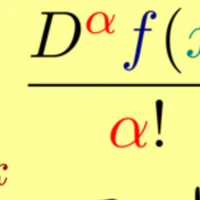
  • 6 authors
·
Feb 24

Large Motion Video Autoencoding with Cross-modal Video VAE

Learning a robust video Variational Autoencoder (VAE) is essential for reducing video redundancy and facilitating efficient video generation. Directly applying image VAEs to individual frames in isolation can result in temporal inconsistencies and suboptimal compression rates due to a lack of temporal compression. Existing Video VAEs have begun to address temporal compression; however, they often suffer from inadequate reconstruction performance. In this paper, we present a novel and powerful video autoencoder capable of high-fidelity video encoding. First, we observe that entangling spatial and temporal compression by merely extending the image VAE to a 3D VAE can introduce motion blur and detail distortion artifacts. Thus, we propose temporal-aware spatial compression to better encode and decode the spatial information. Additionally, we integrate a lightweight motion compression model for further temporal compression. Second, we propose to leverage the textual information inherent in text-to-video datasets and incorporate text guidance into our model. This significantly enhances reconstruction quality, particularly in terms of detail preservation and temporal stability. Third, we further improve the versatility of our model through joint training on both images and videos, which not only enhances reconstruction quality but also enables the model to perform both image and video autoencoding. Extensive evaluations against strong recent baselines demonstrate the superior performance of our method. The project website can be found at~https://yzxing87.github.io/vae/{https://yzxing87.github.io/vae/}.

  • 7 authors
·
Dec 23, 2024 3

Advancing Video Anomaly Detection: A Bi-Directional Hybrid Framework for Enhanced Single- and Multi-Task Approaches

Despite the prevailing transition from single-task to multi-task approaches in video anomaly detection, we observe that many adopt sub-optimal frameworks for individual proxy tasks. Motivated by this, we contend that optimizing single-task frameworks can advance both single- and multi-task approaches. Accordingly, we leverage middle-frame prediction as the primary proxy task, and introduce an effective hybrid framework designed to generate accurate predictions for normal frames and flawed predictions for abnormal frames. This hybrid framework is built upon a bi-directional structure that seamlessly integrates both vision transformers and ConvLSTMs. Specifically, we utilize this bi-directional structure to fully analyze the temporal dimension by predicting frames in both forward and backward directions, significantly boosting the detection stability. Given the transformer's capacity to model long-range contextual dependencies, we develop a convolutional temporal transformer that efficiently associates feature maps from all context frames to generate attention-based predictions for target frames. Furthermore, we devise a layer-interactive ConvLSTM bridge that facilitates the smooth flow of low-level features across layers and time-steps, thereby strengthening predictions with fine details. Anomalies are eventually identified by scrutinizing the discrepancies between target frames and their corresponding predictions. Several experiments conducted on public benchmarks affirm the efficacy of our hybrid framework, whether used as a standalone single-task approach or integrated as a branch in a multi-task approach. These experiments also underscore the advantages of merging vision transformers and ConvLSTMs for video anomaly detection.

  • 5 authors
·
Apr 20

CATR: Combinatorial-Dependence Audio-Queried Transformer for Audio-Visual Video Segmentation

Audio-visual video segmentation~(AVVS) aims to generate pixel-level maps of sound-producing objects within image frames and ensure the maps faithfully adhere to the given audio, such as identifying and segmenting a singing person in a video. However, existing methods exhibit two limitations: 1) they address video temporal features and audio-visual interactive features separately, disregarding the inherent spatial-temporal dependence of combined audio and video, and 2) they inadequately introduce audio constraints and object-level information during the decoding stage, resulting in segmentation outcomes that fail to comply with audio directives. To tackle these issues, we propose a decoupled audio-video transformer that combines audio and video features from their respective temporal and spatial dimensions, capturing their combined dependence. To optimize memory consumption, we design a block, which, when stacked, enables capturing audio-visual fine-grained combinatorial-dependence in a memory-efficient manner. Additionally, we introduce audio-constrained queries during the decoding phase. These queries contain rich object-level information, ensuring the decoded mask adheres to the sounds. Experimental results confirm our approach's effectiveness, with our framework achieving a new SOTA performance on all three datasets using two backbones. The code is available at https://github.com/aspirinone/CATR.github.io

  • 5 authors
·
Sep 18, 2023